

El Rompido: what to see, beaches and things to do on a getaway
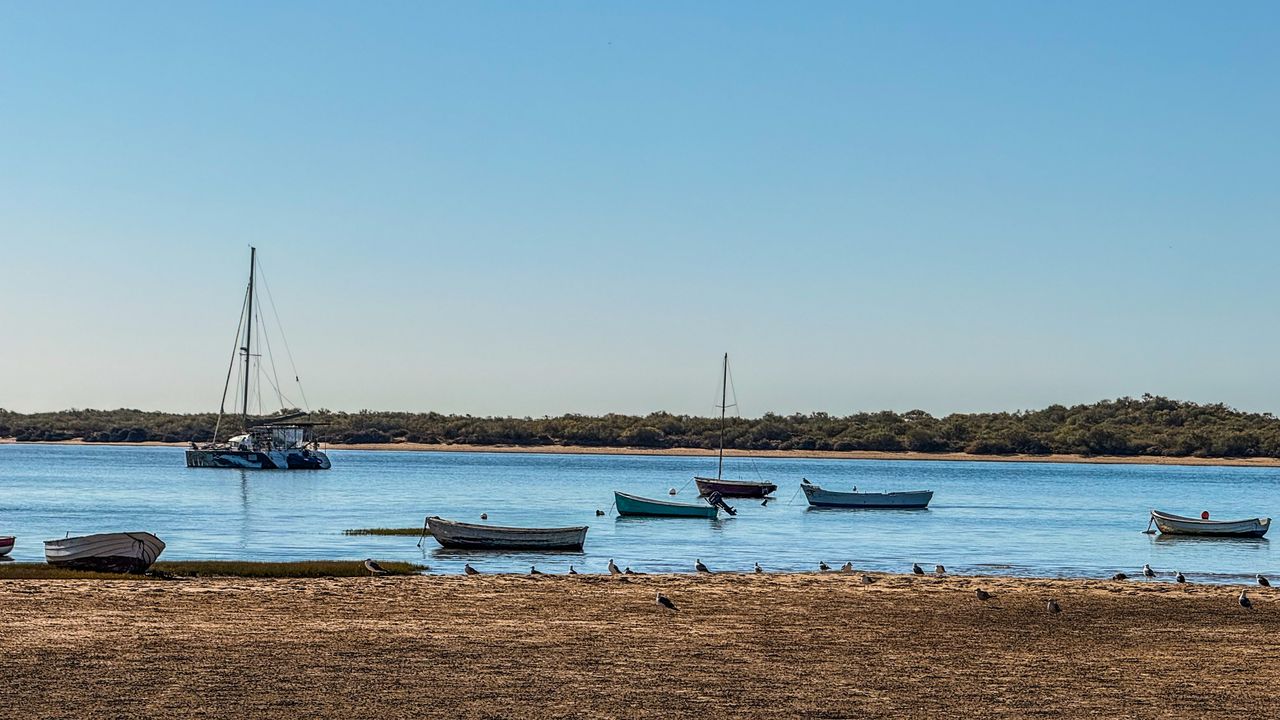
El Rompido is one of those places in the Costa de la Luz in Huelva where the landscape accounts for much of the appeal of a visit. This fishing village in the municipality of Cartaya opens out onto the Piedras estuary and lies opposite the Flecha de El Rompido, a sandbar that separates the estuary from the Atlantic Ocean. The result is a unique setting: a peaceful shoreline next to the village, beaches opening out onto the sea on the other side of the river, salt marshes, pine forests and easy walking trails.
A getaway can be organised at a leisurely pace. The seafront promenade, the lighthouses and the visitor centre offer a glimpse of the town centre; the boat trip to La Flecha adds a day at the beach; and the walking trails, viewpoints and water sports expand the itinerary for those seeking the great outdoors. This guide brings together the essentials to help you decide what to see in El Rompido, which beaches to choose and how to plan your visit, including if you’re travelling by motorhome.
Why El Rompido is worth a visit
The main attraction of El Rompido is the combination of the village and the landscape. Its town beach does not face the ocean directly, but rather the banks of the estuary. Opposite it lies La Flecha, whilst small boats, the waterways and the tides change the appearance of the estuary throughout the day. This connection with the river has shaped both the fishing industry and the way people enjoy the coastline.
There’s no need to limit your visit to the summer months. The walks, lighthouses, visitor centre and footpaths can be enjoyed at different times of the year. The difference lies in the services available: boats, water-based activities and some establishments operate on a seasonal basis, so it’s a good idea to check these before you go.
What to see in El Rompido
The fishing village and the seafront promenade
The best way to start is to walk along the estuary front. The promenade offers views of La Flecha, the comings and goings of the boats, and the silhouette of old fishing-related buildings on the opposite bank. The nearby streets retain a pedestrian-friendly feel and are lined with terraces, shops and restaurants, so you can explore the area on foot once you’ve parked your car.
The Plaza de las Sirenas and the surrounding promenade serve as landmarks. Rather than seeking out a long list of monuments, it is worth stopping here to watch how the estuary changes with the tide and to explore the old town before continuing on to the lighthouses.
The lighthouses of El Rompido
El Rompido is home to two lighthouses from different periods. The old one was built in 1861 and stands 13 metres tall; the new one, erected in 1976, is 31 metres tall. Together they form one of the most recognisable sights in the coastal village and provide a good vantage point from which to admire the village and the surrounding countryside.
Your visit shouldn’t be limited to taking photos of them from the outside. The El Faro Interpretation Centre explains the history of fishing in Cartaya, displays the lens from the old lighthouse and devotes space to the salt marshes, the birds, the Cartaya pine forest and the watchtowers of the province. As opening times may vary, it is advisable to check with the El Rompido Tourist Office before planning your day.
La Flecha in El Rompido and the salt marshes
La Flecha is a sandy formation running parallel to the coast that protects the salt marshes from the direct impact of the Atlantic. Cartaya Town Council states that it stretches for over 12 kilometres and that its rate of growth is exceptional along the Andalusian coastline. The area is also designated as a Special Protection Area for Birds, which means visitors must take particular care when exploring it.
From the village, you can see the inland slope, which faces the estuary. To reach the Atlantic beaches of La Flecha, you’ll need to use the ferry service. Don’t assume that the ferries run every day or at the same times: the wind, the tide and the season can all affect sailing. Before crossing, check the time of the last return journey and make sure you have everything you need to stay on a beach with few facilities.
The beaches of El Rompido and the surrounding area
The town beach at El Rompido
The beach next to the village lies on the banks of the estuary. Its waters are more sheltered than those of an ocean beach, although they are still subject to tides and currents. It is a practical option for combining a walk, a meal by the estuary and some time by the water without leaving the village centre.
La Flecha Beach
On the other side of the river lies the most natural option. La Flecha offers sand, dunes and a stretch of beach opening out onto the Atlantic, but the usual way to get there from El Rompido is by boat. The experience is quite different from that of a town beach: there is less shade and fewer facilities, so it’s a good idea to bring water, sun cream and everything you need to take your rubbish away with you afterwards.
At the western end lies Nueva Umbría, which forms part of the same Flecha coastal system. The Andalusian Public Ports Agency describes it as an unspoilt beach with golden sand and moderate waves, which is difficult to reach except by boat or from the area near El Terrón. If you’re looking for more options, our selection of the best beaches in Huelva It helps you compare urban, family-friendly and natural beaches in the province.
San Miguel and Nuevo Portil
To the east, the Cartaya coastline continues along San Miguel and Nuevo Portil beaches, surrounded by pine forests, dunes and coastal vegetation. These are good options for extending your getaway or swapping a day by the estuary for a beach with greater exposure to the ocean. To the west, La Antilla connects El Rompido with the Lepe coastline; before including it in your itinerary, you can consult our guide to the La Antilla beach.
Things to do in El Rompido
Take the ferry to La Flecha
The boat trip is the most characteristic way to experience the area, as it allows you to appreciate the dual nature of the landscape: the estuary inland and the Atlantic on the other side of the sandbar. Before buying your ticket, ask about the exact departure point, the return timetable and the conditions for carrying parasols, pushchairs or other bulky items.
Explore the footpaths and viewpoints
The Río Piedras footpath is an accessible and straightforward option. The local tourist website states that it is 4 kilometres long, has a low difficulty rating and takes approximately one hour to complete. Along the route, there are views of La Flecha, the harbour, the river and the lighthouses; it also features rest areas and is accessible to people with reduced mobility.
Other nearby options include the 4.5-kilometre circular trail at the Turberas del Lancón and the 1.7-kilometre trail at the Marismas de San Miguel. Both are classified as easy walks. The distances are manageable, but the heat and lack of shade can make a big difference to the experience; in the warmer months, it’s best to walk first thing in the morning or in the late afternoon. To extend your trip, you can check out other walking routes in Huelva.
Birdwatching and photographing the salt marshes
Its status as a protected area and the variety of wetlands make the area an ideal spot for birdwatching, particularly from the footpaths and viewing points. It is important not to stray from the designated routes, to avoid making noise and to keep your distance from the wildlife. If you’d like to plan this part of your visit in more detail, our guide to birdwatching in Huelva It brings together birdwatching spots and tips for the province.
Taking part in water sports
The estuary offers activities such as kayaking, stand-up paddleboarding, sailing and boat trips. Not all of these activities are equally challenging or depend on the same conditions, so it’s advisable to book through authorised operators, ask about the required skill level and check the wind and tide forecasts. If you’re inexperienced, a guided tour is preferable to setting out on your own in an environment that changes with the tide.
Enjoying seafood cuisine
Eating out is part of the getaway. In El Rompido, there are plenty of restaurants near the promenade and the estuary, offering a selection that usually includes fish, seafood, cockles, cuttlefish and produce from the Huelva coast. Rather than recommending a specific restaurant – as opening times and menus are subject to change – it is best to check the up-to-date list of establishments at the municipal tourist office and make a booking during busy periods.
Watching the sunset from the estuary
Late afternoon is one of the best times to return to the seafront promenade or visit the viewpoints. The San Miguel viewpoint offers views of the dune ridges and the local vegetation, whilst the El Rompido Cornisa provides a bird’s-eye view of the salt marshes and La Flecha. The light, the tide and the movement of the boats mean that the landscape is never exactly the same.
A suggestion for exploring El Rompido in a day
In the morning, start at the lighthouses and visit the visitor centre to learn about the landscape before setting off to explore it. Afterwards, head down to the seafront promenade and stroll through the fishing village. If the ferry service is running and conditions are suitable, take the ferry to La Flecha to spend a few hours on the beach.
At midday, head back to the village for lunch by the estuary. In the afternoon, choose between the Río Piedras footpath, a kayaking trip with a licensed operator, or a leisurely visit to San Miguel and Nuevo Portil. Round off the day at a viewpoint or back on the seafront promenade.
If the boat isn’t running or the weather isn’t on your side, the day is still well worth it: swap the ‘Flecha’ for the visitor centre, the footpaths and a visit to Cartaya. Flexibility is important in a destination where the tides, the wind and the time of year can affect certain activities.
Travelling to El Rompido by motorhome
El Rompido sees much heavier traffic in summer, and the local council may impose temporary restrictions in the historic centre. In 2026, for example, night-time traffic was restricted on a section of the town centre during the summer season. As these measures are subject to change, please check the local council’s notices and road signs on the day of your visit.
When travelling in a motorhome, it is best to avoid the narrowest streets, find a place where parking is permitted in advance, and check the regulations governing parking and overnight stays. Do not assume a location is suitable simply because it appears on an app: check the road signs on the spot and any local authority notices.
If you’re planning a longer trip along the west coast of Huelva, Camper Park Playas de Luz, in Pozo del Camino, can serve as a base either before or after visiting El Rompido. On its website, facilities and services for motorhomes You can check out the pitches and facilities available to get your vehicle ready, take a break and continue your journey through Isla Cristina, Ayamonte, La Antilla and other spots along the western coast.
Practical tips for your getaway
- Please check the opening hours of the El Faro Interpretation Centre and the Tourist Office in advance.
- Check the boat service to La Flecha and always ask about the last return journey.
- Take water, sun cream and a bag to collect your rubbish if you’re heading to a natural beach.
- Avoid walking during the middle of the day in summer and check the wind forecast.
- Please stay on the paths and do not walk across dunes or through areas of protected vegetation.
- During peak season, book a table in advance and allow extra time for getting there and parking.
- If you’re travelling by motorhome, check local restrictions and use designated facilities for filling up and emptying.
El Rompido as a starting point for exploring the coast
El Rompido can take up a whole day, but it also works well as a stop on a wider itinerary. To the east lie Nuevo Portil, Punta Umbría and the Odiel Marshes; to the west, La Antilla, Islantilla, Isla Cristina and Ayamonte. The key is not to turn the trip into a series of quick stops: the estuary, La Flecha and the footpaths are best enjoyed by allowing time for the tides and any changes of plan.
For a first visit, simply combine the lighthouses, the seafront promenade and one of the great nature experiences: crossing over to La Flecha or walking a trail. If you have more time, add water sports, birdwatching or a visit to a nearby beach. That blend of a fishing village, marshland and the Atlantic coast is precisely what sets El Rompido apart from other beach destinations.
Frequently Asked Questions about El Rompido
How long should you allow for a visit to El Rompido?
A day trip gives you the chance to explore the lighthouses and the seafront promenade, and to go for a walk along a footpath or cross over to La Flecha. To combine the beach, water sports and nearby towns, it’s best to book two or three days.
Can you walk to La Flecha from the village?
Not from the El Rompido town centre, as the estuary separates the village from the sandbar. The usual way to get there from this area is by boat. Please check timetables and conditions before your visit.
Is there a beach next to the village of El Rompido?
Yes. The town beach is situated on the banks of the estuary, opposite La Flecha. It is different from the Atlantic beach on the other side of the sandbar.
Are there any easy walking routes?
Yes. The Río Piedras trail, the Lancón peat bogs and the San Miguel marshes are listed in the local tourist information as low-difficulty routes. Even so, you should tailor your outing to the heat, the wind and each person’s ability.
Can you visit El Rompido in a motorhome?
Yes, provided that you observe the road signs, temporary restrictions and local by-laws. In summer, it is advisable to avoid entering the historic centre without planning ahead and to check in advance where it is permitted to park a vehicle of this size.
Official sources consulted
- Cartaya El Rompido Tourist Office
- Cartaya Tourist Office – El Faro Interpretation Centre
- Cartaya Tourism: Walking trails and viewpoints
- Cartaya Tourism: Heritage and Natural Areas
- Cartaya Tourism: Environmental Activities
- Cartaya Town Council: Traffic restrictions for 2026
- Andalusian Tourism: El Rompido Beach
- Andalusian Public Ports Agency, Nueva Umbría
 English
  Spanish
  French
  German
  Dutch
Dutch